

AxisA1 EA MT4
AxisA1 EA for MT4 is an automated trading robot focused on intraday trends. Full review with settings, strategy, pros, and cons.
Description
AxisA1 EA for MT4 is an automated trading system that focuses mostly on short-term, intraday trading with directional price movement. Having spent some time testing this EA on real charts and running extended backtests, I can say that AxisA1 is not a “set-and-forget miracle” but a well-structured algorithm clearly following logic rather than randomness.
What caught my eye immediately when working with AxisA1 EA was its disciplined entries and the fact it keeps pace with momentum while the market is trending. This EA doesn’t blindly attempt to catch tops or bottoms. It waits for confirmation and executes trades with precision, which is really what I like to see in automated systems.
AxisA1 EA Recommended Settings
- Currency Pairs: XAUUSD works best based on my testing. Major pairs with good volatility such as EURUSD and GBPUSD can also be used, but gold clearly shows the most consistent behavior.
- Timeframes: M1
- Minimum Deposit: $300–$500 is a reasonable starting point. For more stable equity curves and better drawdown control, $1,000+ is preferable.
- Leverage: 1:200 or higher. Lower leverage may restrict the EA during volatile phases.
- Account Type: ECN or Raw Spread accounts are strongly recommended. Low latency and tight spreads noticeably improve results.
Features of AxisA1 EA for MT4
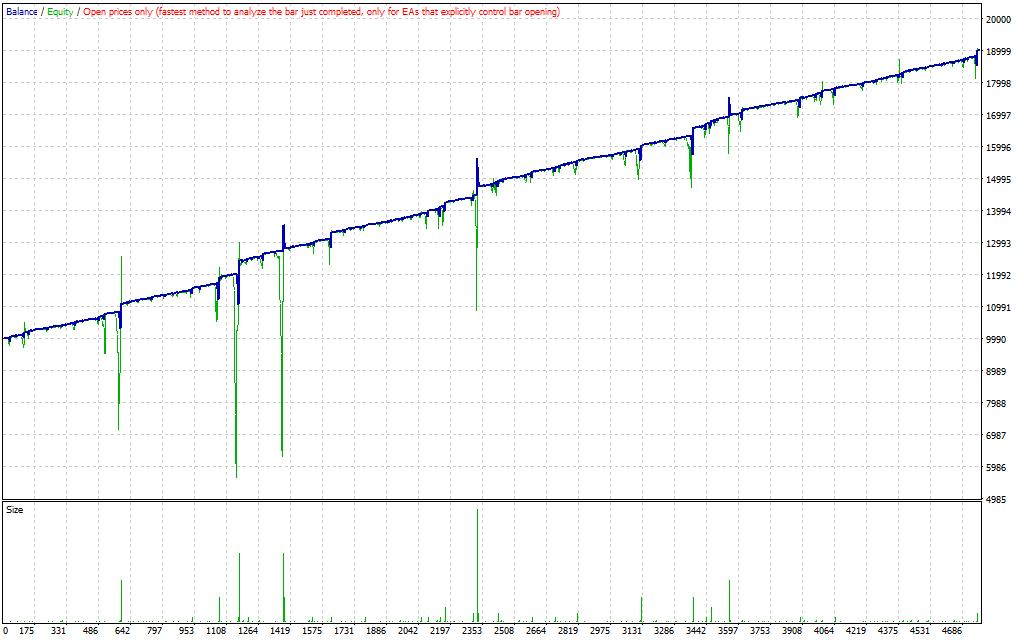
The logic for AxisA1 EA is entirely automated to fit the market momentum and not static price points. Trade execution is fast, and position sizing is controlled rather than aggressive. I observed during my test that the EA does not overtrade, which reassures that the account is being protected in difficult or unstable conditions. It also scales profit on an incremental basis and does not chase unsustainable single-trade gains, which is another feature critical to this profile. That in turn smooths out the equity curve over time, even though occasional drawdowns still occur.
Strategy
AxisA1 EA primarily uses trend-following on lower timeframes. The EA recognizes directional bias and makes trades when the momentum is confirmed. In my experience, though, it works best in active market sessions when price moves intentionally rather than sideways.
The EA will be more cautious in ranging or low-volatility situations, as that’s when performance slows down. It struggles to adapt well to flat markets in general, which has been a normal behaviour of most trend-based systems.
Trading Signals
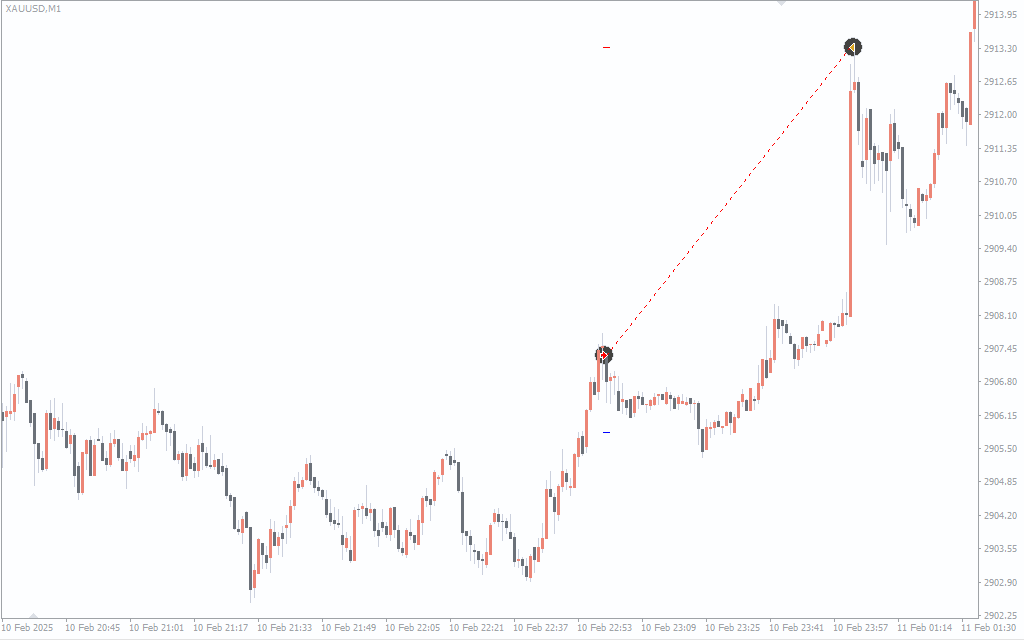
hen the internal conditions have been met, AxisA1 EA automatically opens trades. Buy trades are often made during strong bullish impulses, while sell trades can happen following bearish momentum. The EA does not require manual intervention and stop losses and take profits are managed internally.
The EA can show deeper drawdowns during sudden reversals — which is real usage — for me. But these drawdowns are not constant and tend to occur during sharp market shifts rather than normal trading phases.
Conclusion
My impression is that I have worked with AxisA1 EA extensively, and I am happy with this work — particularly from the perspective of an investor who knows how trend-based systems work. The EA is most advantageous in trending markets as well as during periods of high liquidity, with flat environments potentially having reduced efficiency. Drawdowns occur, but are rare and usually linked to sudden market reversals, not to poor logic. As a trading tool, AxisA1 EA seems structured, disciplined, and realistic in its expectations, so it works great for traders who want to control automation, rather than take aggressive risks.